

Fashion & Design: The Future of Creative Innovation
Fashion and design are transforming the global creative industry in 2026, shaping not only what people wear but also how they experience culture, technology, and lifestyle. Today’s creative sector extends beyond garments and accessories, encompassing branding, digital media, wearable technology, and immersive experiences. Designers and innovators are now tasked with creating work that balances aesthetics, functionality, and social responsibility.
Modern fashion and design are no longer about following trends alone—they focus on sustainability, technology integration, and cultural storytelling. Brands that prioritize ethical production, innovative materials, and digital engagement are setting the pace for the industry’s future.
Sustainable Fashion & Design Movement
Sustainability has become a central focus in contemporary fashion and design. Consumers increasingly expect transparency in production processes, ethical sourcing, and eco-conscious materials. Designers are exploring organic fabrics, recycled textiles, and low-impact dyeing methods to reduce environmental footprints. Ethical labor practices, fair wages, and community-based production models are also key components of the sustainable movement.
Organizations such as the Home – Global Fashion Agenda are leading initiatives to encourage responsible design practices worldwide. Sustainability is no longer a niche—it is a driving factor for brand loyalty, innovation, and long-term business success. Eco-conscious consumers are influencing designers to rethink product lifecycles, from creation to disposal, ensuring that fashion and design contribute positively to society and the planet.
Consumers demand transparency, pushing Fashion & Design brands toward greener operations.
Digital Transformation in Fashion & Design
Technology is radically reshaping how fashion and design are created, marketed, and consumed. Tools such as 3D modeling, virtual prototyping, and AI-powered styling platforms enable designers to experiment with materials, textures, and fits without producing physical samples. This reduces waste and accelerates production cycles.
Virtual fashion shows, online marketplaces, and NFT-based collectibles are changing the way audiences engage with fashion. Digital twins of garments, augmented reality (AR) fitting rooms, and interactive experiences allow consumers to visualize and interact with products before purchase. The integration of AI in trend forecasting, inventory management, and customer personalization is enhancing efficiency and creativity in the industry.
Career Opportunities in Fashion & Design
The modern creative sector offers diverse career paths for individuals passionate about design, technology, and sustainability. Some of the most promising roles include:
-
Fashion Designer: Creating garments and collections that reflect aesthetic, cultural, and sustainable values.
-
Digital Stylist: Using AI and digital tools to curate virtual wardrobes, styling content, and brand campaigns.
-
Textile Innovator: Developing sustainable fabrics, smart textiles, and advanced materials for fashion and interior design.
-
Fashion Marketing Manager: Crafting campaigns, managing brand presence, and integrating digital strategies for customer engagement.
The industry values interdisciplinary skills, including design thinking, technical proficiency, sustainability knowledge, and digital literacy. Students and professionals who combine creativity with technical expertise are highly sought after in global markets.
Additionally, aspiring designers can explore educational opportunities like Best Courses in Malta 2026 – Top 5 Powerful Programs for Nepali Students which provide foundational and advanced skills to excel in fashion and design careers.
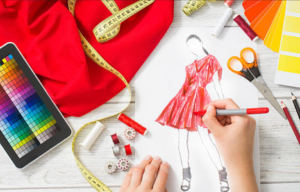
The Future of Fashion & Design
Looking ahead, fashion and design will continue evolving in 2026 and beyond, driven by sustainability, digital innovation, and cultural storytelling. Eco-conscious materials, smart technologies, and virtual experiences are reshaping the industry landscape, offering designers opportunities to create both meaningful and impactful work.
The convergence of creativity, technology, and responsibility ensures that fashion and design remain a vital, forward-looking sector that connects people, ideas, and communities worldwide. As brands adapt to changing consumer expectations and emerging technologies, the future of the creative industry looks vibrant, inclusive, and sustainable.
Fashion and design are more than aesthetics—they are a reflection of society, innovation, and environmental awareness. By embracing sustainability and digital tools, the industry is redefining what it means to create, inspire, and connect in a modern, global context.
Conclusion
Fashion & Design continue to evolve with sustainability and digital transformation leading the way.